

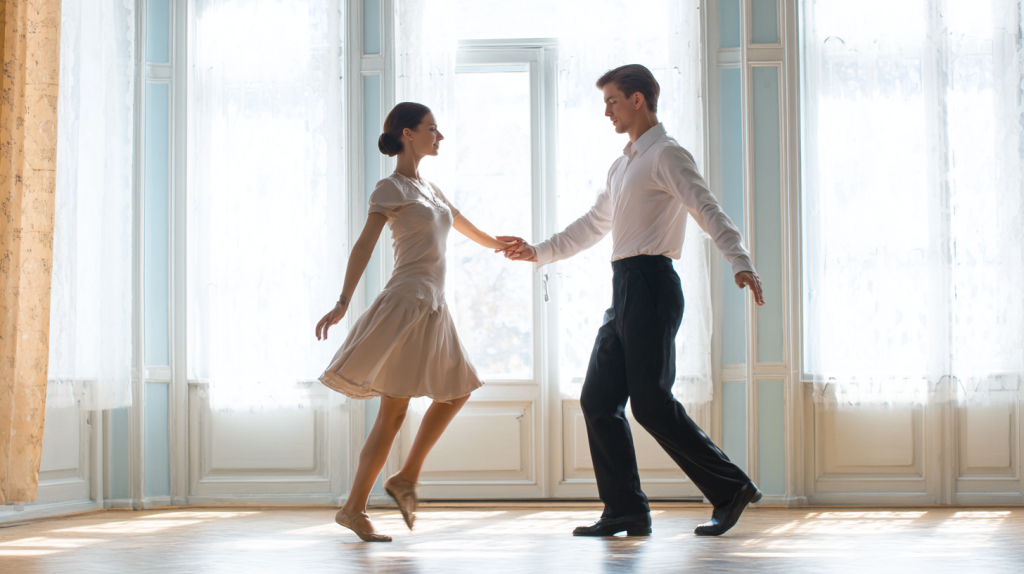
When people start dancing, they expect to learn rhythm and movement—but what they don’t expect is how much it transforms their confidence outside the studio.
The same skills that make you feel good on the dance floor—posture, awareness, calmness, connection—start showing up in meetings, social situations, and even how you carry yourself day to day.
Here’s how learning to dance builds real-world confidence that helps Sydney adults succeed both personally and professionally.
1. Better Posture = Better Presence
When you dance, you train your body to stand tall, engage your core, and move with balance. Over time, that physical strength becomes visible confidence.
Good posture sends a strong message: you’re composed, capable, and self-assured. That’s why dancers often appear more confident, even when they’re simply walking into a room.
You’re not just moving better—you’re showing up better.
2. You Learn to Stay Calm Under Pressure
Whether you’re leading or following, dancing requires composure. Mistakes happen, but you keep rhythm, breathe, and move forward.
That same skill helps you stay steady during presentations, interviews, or tough conversations. Dancing teaches calm focus—the ability to handle challenges gracefully without losing your rhythm.
3. Improvisation Builds Adaptability
Dancing isn’t rigid—it’s dynamic. You react to music, adjust to partners, and recover from small mistakes instantly.
This flexibility strengthens your ability to adapt in real life, too. You become more open-minded, resilient, and confident handling the unexpected.
When you learn to improvise to music, you also learn to improvise through life.
4. Body Awareness Improves Communication
Confidence isn’t just about words—it’s about energy. Dancing heightens your awareness of body language, posture, and timing.
That awareness helps you communicate clearly, read others better, and express yourself more effectively in both social and professional settings.
You’ll speak not just with words, but with presence.
5. Overcoming Nerves in Class Reduces Fear Elsewhere
Almost every beginner feels nervous at their first class. But within minutes, you realise no one’s judging—you’re all learning together.
Each time you face those nerves and move anyway, you build emotional resilience. That same courage helps you handle public speaking, networking, or any situation that once felt intimidating.
Confidence grows through repetition—and dancing gives you constant, low-pressure practice.
6. Dancing Improves Listening and Connection
In partner dancing, you can’t dominate or rush. You must listen—through subtle cues and timing.
That skill translates directly into better teamwork and relationships. You’ll start paying closer attention, responding thoughtfully, and building trust through genuine connection.
Confidence grows from connection, not control.
7. Progress Creates Momentum
When you first start dancing, every improvement feels huge—holding posture longer, remembering a sequence, keeping time with music.
Each of these small wins adds up, creating momentum and self-belief that extends beyond class. You begin thinking, “If I can learn this, I can learn anything.”
That belief changes everything.
8. Dancing Teaches Presence
In dance, you can’t think about tomorrow’s to-do list or yesterday’s mistake. You have to be fully present—in rhythm, in connection, in the now.
Learning to stay in that moment naturally reduces overthinking and builds quiet confidence.
You stop performing for approval and start moving for yourself.
9. Social Confidence Soars
At social events, weddings, or work functions, dancers stand out—not because they’re flashy, but because they’re relaxed and comfortable in their own skin.
You’ll walk into rooms with ease, knowing you can connect through movement, conversation, and body language. That ease is magnetic.
10. Confidence Becomes Effortless
Dancing doesn’t teach confidence—it reveals it. The more you move, the more you realise you’ve had it all along.
That natural self-assurance begins to show in everything—from how you talk to how you take on challenges.
How to Build Everyday Confidence Through Dance
-
Start small. Attend one beginner class a week and allow progress to build naturally.
-
Focus on enjoyment, not perfection. Confidence comes from consistency, not comparison.
-
Surround yourself with support. A positive learning environment speeds growth.
At Best Beginner Dance Classes Sydney, instructors specialise in helping adults feel confident through movement. Each session combines fun, structure, and real-life lessons in posture, composure, and connection.
Conclusion
Confidence isn’t something you force—it’s something you practise. Dancing helps you do exactly that.
Through movement, rhythm, and small daily victories, you’ll discover a version of yourself that’s calmer, stronger, and more expressive.
If you want to build confidence that lasts beyond the dance floor, start with one step.
Join Best Beginner Dance Classes Sydney and experience how rhythm, posture, and connection can transform how you carry yourself every day.
FAQs
Yes. Dancing builds posture, body awareness, and self-trust—all key elements of confidence. Over time, these qualities extend beyond the dance floor into work and social life.
Many beginners notice improvement after just a few classes. As you become comfortable moving and learning in front of others, confidence grows naturally.
Everyone feels nervous at first. The supportive, non-judgmental environment in beginner classes helps you relax quickly and enjoy the process.
Yes. Dance trains calmness under pressure and improves posture and breathing—skills that carry directly into presentations, interviews, and social events.
Mindset. Skill develops over time, but confidence starts the moment you give yourself permission to move freely without fear of judgment.
No. Confidence comes from progress, not perfection. Even small improvements build belief in your ability to learn and grow.
Latin and Ballroom styles like Salsa, Rumba, and Swing help posture, coordination, and self-expression—great for developing both physical and social confidence.
Absolutely. Confidence is universal. Dancing improves self-assurance, presence, and communication for everyone, regardless of gender or experience.
Yes. Learning to move comfortably with others eliminates fear of judgment, making you more relaxed, expressive, and confident in any group situation.
Visit Best Beginner Dance Classes Sydney. Their instructors focus on helping adults build real-life confidence through movement, rhythm, and connection.