

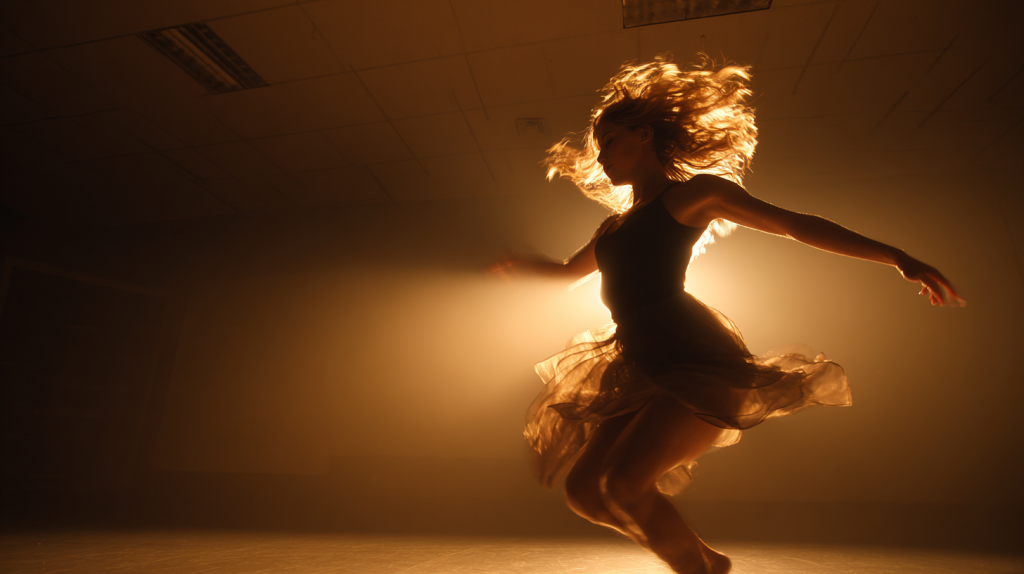
Most people start dancing to get fit or meet new people, but few realise how powerful it is for the brain. Dancing strengthens memory, focus, and coordination better than almost any other activity—making it one of the most effective (and enjoyable) ways to keep your mind sharp.
Whether you’re in your 30s, 50s, or beyond, learning new dance patterns can train your brain to stay agile, creative, and alert for years to come.
Here’s how dance works as “exercise for the mind,” and why so many Sydney adults are choosing it as their favourite brain-boosting hobby.
The Science: Dancing Lights Up Your Whole Brain
When you dance, your brain juggles multiple tasks at once:
-
Listening to rhythm.
-
Remembering sequences.
-
Coordinating your body’s timing and position.
-
Reacting to your partner’s movement.
This combination activates more regions of the brain than any single activity—especially the hippocampus and prefrontal cortex, which handle memory, learning, and focus.
Regular dancing doesn’t just keep your brain active—it helps it grow.
1. Learning New Steps Builds Mental Flexibility
Every new dance pattern challenges your memory and coordination. You must recall sequences, shift rhythm, and adapt to new partners—all of which train your brain to think quickly and creatively.
It’s like solving puzzles, only far more fun and social.
2. Movement Boosts Memory Retention
Physical movement increases blood flow and oxygen to the brain, improving cognitive performance.
When you tie physical movement to learning (like memorising dance steps), your brain stores information more effectively.
That’s why people who dance regularly often find it easier to recall names, routines, and details in everyday life.
3. Music Stimulates Emotional Memory
Music activates the emotional centres of the brain. When paired with movement, it strengthens memory even further.
That’s why you can still remember the lyrics of songs from years ago—your brain links rhythm with feeling. Dance builds the same emotional connection with movement, making learning stick.
4. Dancing Improves Concentration and Focus
To stay in rhythm, you must stay present.
Dance teaches you to tune out distractions, sharpen focus, and react in real time. That skill naturally transfers to work, study, and other areas of life.
After a few weeks, you’ll notice longer attention spans and less mental fatigue.
5. Partner Dancing Enhances Communication and Recall
Leading or following in partner dances requires quick thinking and memory recall under gentle pressure.
You learn to anticipate, adjust, and remember patterns on the fly—all of which train mental agility and interpersonal awareness.
This makes partner dancing one of the best social brain workouts available.
6. It Reduces Cognitive Decline Risk
Studies have shown that adults who dance regularly are less likely to develop dementia or Alzheimer’s disease. The combination of physical activity, mental challenge, and social engagement protects the brain by building cognitive reserve—the brain’s ability to stay resilient over time.
Dancing is quite literally a long-term investment in your mind.
7. Dance Relieves Stress—Freeing Up Mental Space
Stress clogs memory and focus. Dancing releases endorphins and lowers cortisol, clearing mental fog and improving clarity.
You think better when you feel better, and dancing delivers both.
8. It Improves Balance Between Brain and Body
Your brain thrives on coordination. Every step in dance synchronises mental planning with physical execution.
That mind-body connection improves not only movement control but also how efficiently your brain processes tasks overall.
9. You’ll Feel Smarter (Because You Are)
Learning dance builds confidence and mental sharpness you can feel.
Remembering routines, keeping time, and improvising with music all show your brain it’s capable of learning new things at any age.
The satisfaction of mastering a pattern gives your mind a natural dopamine reward—boosting motivation and positivity.
10. Dance Keeps You Socially Engaged
Isolation can accelerate cognitive decline. Dancing keeps you socially connected through shared activity, laughter, and teamwork.
At Best Beginner Dance Classes Sydney, adults of all ages come together to move, learn, and grow—not just physically but mentally too.
How to Use Dance as Brain Training
-
Start with structured lessons – learning small sequences weekly strengthens recall.
-
Practise short sessions often – consistency builds memory faster than long gaps.
-
Mix music genres – different rhythms challenge your brain in new ways.
-
Dance socially – reacting to others keeps your mind flexible and engaged.
You don’t need to be an expert—just consistent and curious.
Conclusion
Your brain loves a challenge—and dancing gives it one wrapped in rhythm and joy. It keeps you mentally agile, emotionally balanced, and socially connected, all while keeping your body fit.
If you want an activity that keeps both your brain and body young, dance is it.
Start your journey at Best Beginner Dance Classes Sydney and experience how learning steps can sharpen your mind and lift your spirit—one beat at a time.
FAQs
Yes. Dancing engages both the body and brain, boosting circulation and stimulating areas linked to memory and learning. It’s one of the best natural brain exercises.
Dancing demands attention to rhythm, coordination, and timing, which strengthens concentration and mental endurance. It teaches your brain to stay present and alert.
Absolutely. Studies show that regular dancing reduces the risk of dementia by combining physical, mental, and social stimulation—three key factors for brain health.
Partner dances like Rumba, Foxtrot, or Swing challenge both memory and coordination. The learning and social aspects make them especially beneficial for mental agility.
No. The mental challenge comes from learning and remembering steps, not natural rhythm. Even beginners see improvements in focus and memory within weeks.
Yes. Movement and music activate creative regions of the brain. As you learn to improvise and express yourself, creative thinking strengthens naturally.
It can. The mental discipline and focus you build through dance translate into better multitasking, memory recall, and confidence in professional life.
Two to three times per week delivers noticeable cognitive improvements, but even one weekly class helps maintain mental sharpness and emotional balance.
In many ways, yes. While puzzles train thinking, dancing engages physical, emotional, and social systems, creating deeper and longer-lasting brain benefits.
Join Best Beginner Dance Classes Sydney. Their programs teach fun, structured routines that keep both your body and mind active and engaged.