

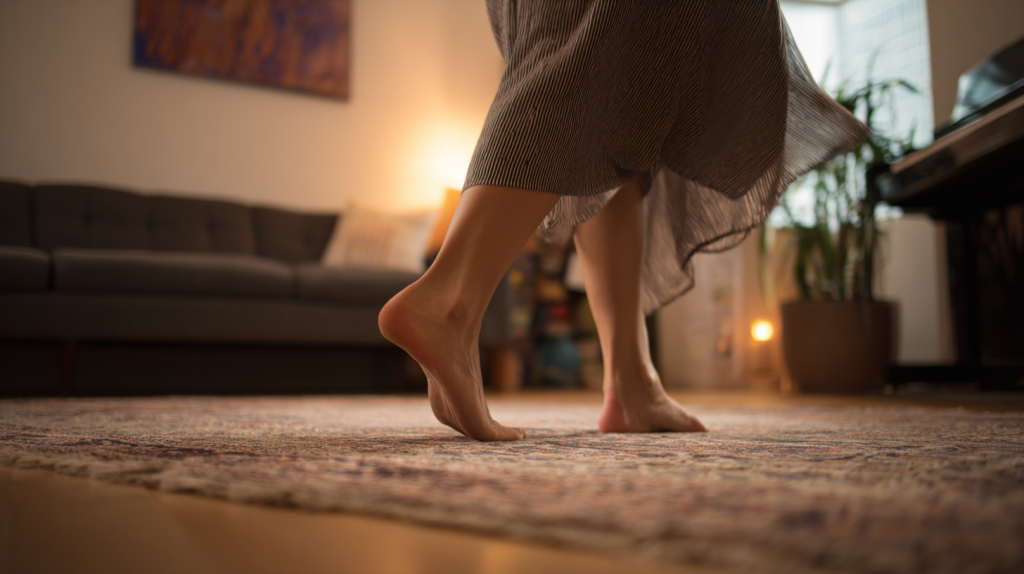
If you’ve just started dancing and feel wobbly or unsure about your balance, you’re not alone.
Every dancer—especially adult beginners—struggles with posture and alignment at first. But here’s the secret: good dancing starts long before you move your feet. It begins with how you stand, breathe, and hold your body.
This practical checklist will help you build strong posture, smoother movement, and visible confidence on any dance floor in Sydney.
Why Posture Is the Hidden Key to Better Dancing
Good posture isn’t about standing rigidly—it’s about alignment.
When your body is stacked properly (head, shoulders, hips, knees, and feet in line), movement becomes easier, smoother, and safer.
The benefits include:
-
Better balance and stability.
-
Cleaner turns and footwork.
-
Reduced fatigue and soreness.
-
A more confident, elegant appearance.
You don’t need to be athletic—just mindful.
Step 1: Check Your Foundation (Feet & Knees)
Your feet are your anchors.
Stand with them hip-width apart, knees slightly bent, and weight evenly distributed between both.
Avoid:
-
Locking your knees.
-
Leaning back on your heels.
-
Standing with feet too close together.
Pro tip: Feel your weight press slightly toward the balls of your feet—not your toes. This keeps you ready to move in any direction.
Step 2: Engage Your Core Without Tension
Your core stabilises every step, turn, and sway. But engaging it doesn’t mean sucking your stomach in.
Try this:
-
Inhale deeply, exhale slowly, and lightly tighten your lower abdomen as if zipping up a pair of jeans.
-
Keep breathing normally.
This subtle engagement supports your spine and improves control without stiffness.
Step 3: Roll Shoulders Back and Down
Desk jobs and phones pull shoulders forward, making dancers appear slouched. Fix that in seconds:
-
Roll your shoulders up, back, and down.
-
Keep your chest lifted but relaxed.
-
Let your arms hang naturally at your sides.
Proper shoulder alignment instantly improves your frame and presence.
Step 4: Lengthen, Don’t Stiffen
Imagine a string gently pulling the crown of your head upward.
That’s the kind of lift you want—length, not tension.
Avoid rigid posture. The best dancers look tall, relaxed, and fluid, not stiff or robotic.
Step 5: Use Mirrors or Reflections
Practising in front of a mirror helps you see subtle posture changes.
No mirror? Use window reflections or your phone’s camera for feedback.
Check that:
-
Your shoulders are level.
-
Your head isn’t tilted forward.
-
You’re breathing freely.
Small corrections add up quickly.
Step 6: Breathe Into Movement
Breathing controls rhythm and tension. When you hold your breath, your movements tighten.
Practise this pattern:
-
Inhale as you prepare to move.
-
Exhale as you take your first step.
Breathing adds flow and helps you connect emotionally to the music.
Step 7: Practise Balance Drills
You can improve balance at home in a few minutes a day:
-
Stand on one leg for 20 seconds, switch sides.
-
Try closing your eyes for an added challenge.
-
Repeat while swaying slightly or pivoting.
This strengthens ankle stability and body awareness.
Step 8: The “Wall Test”
Stand against a wall—heels, hips, shoulders, and back of the head touching.
If you can maintain that alignment comfortably, you’re in the right position.
If not, gently adjust until everything feels neutral and balanced.
Step 9: Combine Posture With Rhythm
Once your alignment feels natural, start adding movement.
Step side-to-side or practise a basic box pattern while maintaining upright posture.
Check that your head stays level, your shoulders don’t rise, and your core remains stable.
You’ll immediately look more polished and confident.
Step 10: Learn With Feedback
Even small adjustments can make a big difference. Instructors at Best Beginner Dance Classes Sydney focus on body alignment and movement efficiency from your first lesson.
With professional guidance, you’ll develop posture that feels effortless—not forced—and balance that keeps you steady through every song.
Conclusion
Good posture transforms how you move, look, and feel while dancing. It’s the difference between surviving a song and owning the dance floor.
Use this checklist daily—whether at home, at work, or during lessons—to retrain your body for smoother, more confident dancing.
When you’re ready for expert feedback and friendly guidance, join Best Beginner Dance Classes Sydney to take your posture and confidence to the next level.
FAQs
Good posture keeps your movements balanced, efficient, and expressive. It also prevents fatigue and injury. Proper alignment lets you move freely while maintaining stability and confidence.
Practise standing on one leg daily, engage your core gently, and keep knees slightly bent. Over time, your stabiliser muscles strengthen, making spins and steps easier to control.
Stand tall with feet hip-width apart, knees soft, and shoulders relaxed. Keep your weight slightly forward on the balls of your feet. Imagine length through your spine without stiffness.
No. Flexibility helps, but alignment matters more. You can have great posture without extreme flexibility by maintaining a neutral spine, open chest, and active core.
Yes. Slouching or leaning back throws off your balance and timing. It also makes turns clunky and tiring. Proper alignment keeps movement effortless and coordinated.
Focus on rolling your shoulders back and down, keeping your chest lifted. Strengthen upper back muscles with gentle exercises like shoulder blade squeezes. Regular awareness retrains your posture naturally.
Yes, slightly. Soft knees absorb movement and keep your steps smooth. Locked knees limit flexibility and can lead to balance issues or discomfort over time.
Steady breathing keeps muscles relaxed and movement fluid. Holding your breath creates stiffness. Inhale through preparation, exhale through movement to stay balanced and calm.
Absolutely. Standing tall signals self-assurance and instantly changes how others perceive you. Good posture projects calm, confidence, and readiness—on and off the dance floor.
Join classes at Best Beginner Dance Classes Sydney. Instructors teach posture, core engagement, and movement control tailored for adults starting from scratch.