

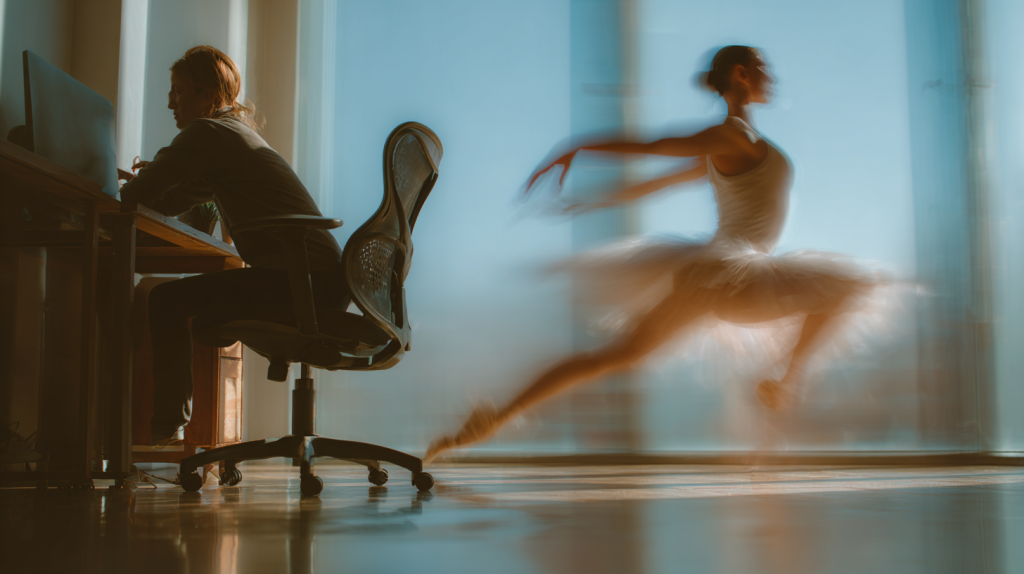
If you spend your days hunched over a desk, staring at a screen, or commuting long hours, chances are your hips and shoulders have tightened up. When you finally step onto a dance floor, that stiffness can make your first steps feel clunky or restricted. The good news? You can change that quickly with simple mobility work designed for everyday Sydney adults—no gym or fancy gear required.
This guide shows you how to unlock your movement, boost coordination, and feel comfortable in your body again—all while setting yourself up to enjoy dancing without pain or stiffness.
Why Office Life Hurts Your Dance Readiness
Modern life isn’t built for movement. We sit for hours, often slouching or crossing our legs, shortening hip flexors and tightening chest muscles. Over time, this posture causes:
-
Limited hip rotation – making steps feel heavy or robotic.
-
Rounded shoulders – affecting arm styling and frame in dance.
-
Reduced coordination – because your brain and muscles forget natural patterns.
These issues can make even basic dance movements feel unnatural. Fixing them early helps beginners progress faster and enjoy dancing from the start.
The Connection Between Flexibility and Dance Confidence
You don’t need to be flexible like a gymnast to dance well. What matters is mobility—the ability to move through your range without tension. With freer hips and shoulders, you’ll:
-
Walk, turn, and pivot smoothly.
-
Hold a relaxed yet confident posture.
-
Learn steps faster because your body moves willingly.
-
Prevent soreness after lessons or socials.
Mobility is your silent partner—it makes dancing feel fluid instead of forced.
Five-Minute Daily Mobility Routine for Beginners
Try this at home before heading to work or before your next dance night.
1. Seated Hip Opener
Sit on the edge of your chair, place one ankle over the opposite knee, and gently lean forward.
Hold 20 seconds each side. This targets the outer hips and glutes.
2. Standing Hip Circles
Stand tall, hands on hips, and draw big, slow circles.
Eight times each way. This loosens your hip joints and core.
3. Shoulder Rolls and Arm Swings
Roll your shoulders back 10 times, then forward.
Next, swing your arms across your body in gentle arcs.
This undoes desk slouching and improves upper-body coordination.
4. Thoracic Spine Stretch
Stand with feet hip-width apart. Place your hands behind your head, elbows wide, and rotate gently side to side.
Repeat 10 times. This wakes up your mid-back, which is key for turns.
5. Ankle Flex & Point
Sit or stand. Flex your toes up, then point down—10 reps per foot.
This small move improves balance and makes footwork cleaner.
Done daily, these moves retrain your body to support better posture, rhythm, and balance.
Sydney’s Lifestyle Advantage: Movement Opportunities Everywhere
Sydney’s parks, beaches, and warm evenings make staying active easy. Use that to your advantage:
-
Walk part of your commute or take stairs instead of lifts.
-
Stretch by the harbour or in your local park during lunch.
-
Join casual dance socials—low-pressure settings where movement feels natural.
Movement doesn’t have to be formal exercise. Even small daily habits can prepare your body to dance better and stay pain-free.
The Role of Warm-Ups Before Dancing
When you join structured programs like Best Beginner Dance Classes Sydney, warm-ups are built into every session. These targeted routines increase circulation and loosen your joints before movement, making learning smoother.
If you’re practising at home, a three-step DIY warm-up works wonders:
-
March or jog lightly for 2 minutes.
-
Repeat the shoulder rolls and hip circles above.
-
Play your favourite song and sway side-to-side to the beat.
That’s all you need to prime your body for dancing with confidence.
How to Reverse the “Office Posture”
Good posture isn’t about standing stiffly—it’s about natural alignment.
Try this quick test:
-
Stand tall, feet under hips.
-
Roll shoulders up, back, and down.
-
Slightly tuck your chin, lift your chest, and engage your core.
This stance mirrors how you should hold yourself while dancing. The difference in confidence is instant.
Simple Tools That Help
You don’t need a gym, but a few inexpensive items can accelerate progress:
-
Resistance bands: Great for shoulder retraction exercises.
-
Massage ball: Roll under hips or between shoulder blades.
-
Yoga mat: For floor-based hip openers or spinal twists.
Use them two to three times a week to complement your daily micro-stretches.
How Better Mobility Makes Dancing More Fun
With open hips and relaxed shoulders, your movements feel lighter. Your spins become smoother, and your posture naturally improves. You stop thinking about your body and start enjoying the music—exactly how dancing should feel.
At Best Beginner Dance Classes Sydney, instructors teach you how to move efficiently, reduce tension, and use your body’s natural rhythm—all while having fun.
Conclusion
Dancing well starts long before your feet hit the floor—it begins with how you treat your body each day. Undoing stiffness from office life helps you feel stronger, lighter, and more coordinated. Just 5–10 minutes of simple mobility work daily can transform how you move and how you feel on the dance floor.
Next time you catch yourself saying you’re “too stiff to dance,” remember: flexibility is earned in small, consistent doses, not genetics. Start today, and your future self on the dance floor will thank you.
FAQs
Sitting for long periods shortens your hip flexors and weakens glutes, making your hips feel locked. Gentle mobility work like hip circles, lunges, and seated stretches restores range of motion. As your muscles re-learn to lengthen and contract properly, your steps feel smoother and more controlled on the dance floor.
Yes. Stretching increases flexibility, while mobility work improves control and coordination. Together, they allow your body to move fluidly through steps and turns. Regular stretching also reduces soreness after classes and improves balance, making it easier to focus on rhythm and timing rather than stiffness.
Start with hip circles, seated hip openers, shoulder rolls, and spine rotations. These simple movements activate key joints used in dancing without needing equipment. They can be done in under 10 minutes at home or even in your office chair, making them ideal for Sydney’s busy professionals.
No. You only need basic mobility and willingness to learn. Professional dance studios like CareToDance focus on safe, beginner-friendly movement that builds coordination over time. Flexibility comes gradually as you attend regular sessions and practise at home.
Ideally, stretch briefly every 1–2 hours. Simple moves like shoulder rolls and standing hip openers prevent stiffness from building up. If that’s not possible, aim for one dedicated 10-minute session daily. Consistency matters more than intensity.
Absolutely. Rounded shoulders and tight hips disrupt alignment, making balance harder. Correct posture supports smooth movement and rhythm. Regular mobility drills strengthen core stability and help your body maintain proper form while dancing.
Stretching lengthens muscles, while mobility work focuses on joint control and range of motion. Both are essential for dancers. Mobility ensures your body can move comfortably through dance patterns without strain, improving both performance and injury prevention.
Yes—if you stay consistent. While major flexibility takes time, noticeable improvement often appears within two to three weeks. Small daily sessions add up quickly. Combine mobility with dancing itself, as active movement naturally retrains tight muscles.
Basic tools like resistance bands, foam rollers, or massage balls can speed recovery and release tension. Use them gently, focusing on hips, thighs, and shoulders. Even without equipment, bodyweight exercises are enough to make steady progress.
The safest and most effective way to build confidence is by joining a structured environment such as Best Beginner Dance Classes Sydney. Instructors guide posture, movement, and rhythm while keeping sessions fun and pressure-free for adults starting from scratch.